

Nutritional Value of Edible Bird's Nest
JinYi Group · Bird's Nest Knowledge Base
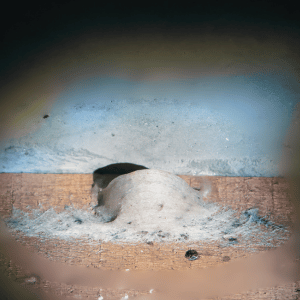
Known as the "caviar of the East" in the Chinese community, edible bird's nest has been a classic ingredient of traditional nourishing cuisine since the Tang Dynasty.
What's In It
Glycoproteins and carbohydrates are the major components of EBN. Beyond that, it contains trace minerals such as calcium, sodium, magnesium, zinc, manganese and iron, along with 18 types of amino acids — including 8 of the essential amino acids the human body cannot produce on its own.
Sialic acid is the best-known component of bird's nest and the main focus of scientific interest in EBN. House nests typically contain more sialic acid than cave nests (see Cave Nests vs House Nests).
Bird's Nest in Traditional Nourishment Culture
In Chinese food-tonic tradition, bird's nest has long been regarded as a gentle nourishing delicacy — enjoyed by women as part of beauty and wellness routines, by expectant and nursing mothers as a nutritional treat, by elders to accompany meals, and lovingly double-boiled with rock sugar for the whole family. For many households it is a tradition passed down through generations.
Classic preparations include rock-sugar double-boiled bird's nest, bird's nest congee, and bird's nest in coconut milk — always slow-cooked gently to preserve its delicate texture.
Disclaimer: this article shares nutritional composition facts and traditional food culture. It does not constitute medical advice or any claim of therapeutic effect. For health questions, please consult a qualified medical professional.