

The Story of Edible Bird's Nest
JinYi Group · Bird's Nest Knowledge Base
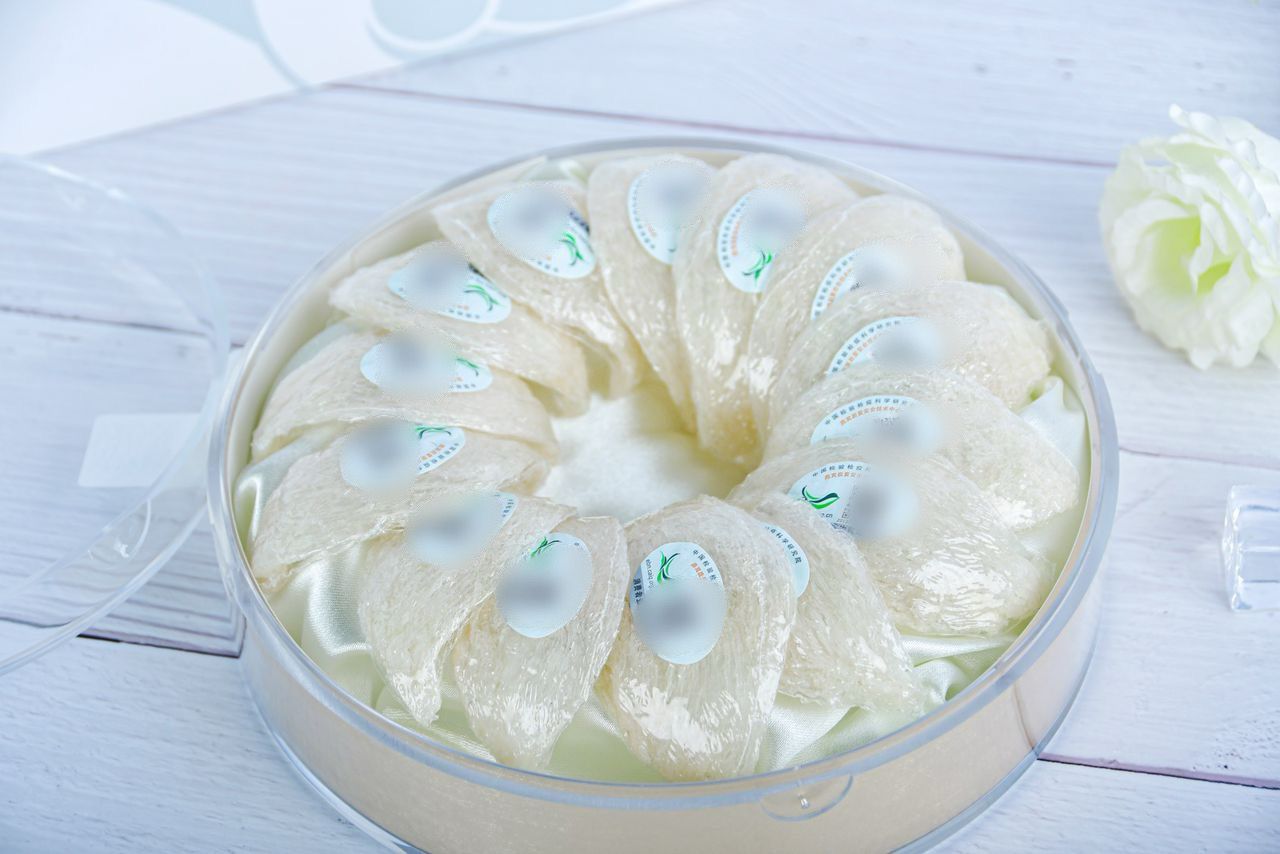
Consumption of edible bird's nest can be traced back to the 7th century, during China's Tang Dynasty (618–907 A.D.). According to historical records, during Admiral Cheng Ho's (郑和) voyages to the Western Seas, his fleet encountered a severe storm and sought refuge on a deserted island in the Malay Archipelago. Facing a shortage of food, the crew explored the island and discovered white objects on the steep cliffs, with small swiftlets flying around them. Cheng Ho ordered his men to gather these objects — which turned out to be edible bird's nests. After cleaning, they stewed the nests in clear water to ease their hunger. Within days, the crew were full of energy and vitality. Cheng Ho recognised the value of the nests and introduced them to the Ming Emperor.
In ancient times, edible bird's nest was a premium delicacy reserved for the imperial family and court officials. According to Qing Dynasty palace records, among the dozens of banquet menus recorded in the "Tiao Ding Ji" (调鼎集) of the Kangxi era, bird's nest ranked first. Emperor Qianlong, on his journeys to the south, would take a bowl of rock-sugar bird's nest congee on an empty stomach every morning.
In the Qing Dynasty, Zhao Xuemin's "Supplement to the Compendium of Materia Medica" (本草纲目拾遗) described bird's nest as a prized tonic that "nourishes the lung and gently restores the body".
Note: the classical quotations above are historical and cultural records reflecting traditional beliefs of their time. They are not modern medical or efficacy claims.